
_medium.webp&w=256&q=75 "Shubh Muhurat")



Oil immersed brakes vs dry brakes in tractors







Table of Content
When you pick out a tractor, you usually only think about how powerful the engine is and how far it can go. But farmers often forget about brakes, which is a big mistake. And not just brakes; the difference between Oil-Immersed Brakes vs. Dry Brakes.
This is not a small thing. The brakes on your tractor have a direct effect on safety, maintenance costs, and long-term performance. So, if you've been wondering which one makes more sense, let's understand it easily.
What are Oil Immersed Brakes in Tractors?
Wet brakes, also known as oil-immersed brakes, are inside the tractor and work in an oil bath. It means that oil is always on the brake discs. This makes it easier to stop by lowering the friction and heat.
Key Features of Oil-Immersed Brakes:
- Placed inside a sealed housing
- Safe from water, mud, and dust
- Oil should be used to cool and lubricate the engine
These are common in modern tractors with higher horsepower, especially when they are used for heavy-duty work.
What are Dry Brakes in Tractors?
Tractors usually have dry brakes as their main braking system. They don't need oil to work; they rely on direct friction between the brake parts. They are outside, so dust, mud, and moisture can affect how well they work over time.
Key Features of Dry Brakes:
- Simpler design
- No oil to lubricate
- Open or partially closed system
Older or cheaper tractor models usually have dry brakes.
Quick Links
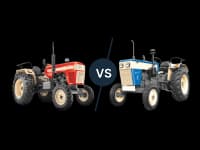
Oil Immersed Brakes vs Dry Brakes: Key Differences
| Feature | Oil Immersed Brakes | Dry Brakes |
|---|---|---|
| Working Type | Operate in oil |
Operate without oil |
| Cooling | Excellent | Limited |
| Wear & Tear | Low | High |
| Maintenance | Low | Frequent |
| Lifespan | Long | Shorter |
| Performance in Mud/Water | Very good | Affected |
| Cost | Higher | Lower |
Advantages of Oil Immersed Brakes
- Heat resistance: Oil cools the system, decreasing brake failure.
- Easy to care for: You don't have to change or adjust parts all the time.
- Easy braking: They provide better control, especially when moving heavy loads or operating equipment.
- Reliable performance: Oil-immersed brakes perform reliably in muddy fields, damp dirt, and dusty roadways.
- Longer lifespan: Oil lubrication reduces friction and wear, extending lifespan. This makes these brakes last longer than dry ones.
Advantages of Dry Brakes
- Lower price: Tractors with dry brakes cost less up front.
- Simple to service: Local mechanics can quickly fix or replace parts.
- Good for light use: Dry brakes can still work if you only use your tractor now and then or for lighter tasks.
Which Brake Type is Best for Indian Farmers?
The honest answer is that it depends on how you use your tractor.
Choose oil-immersed brakes if you:
- Do a lot of farming
- Work in wet or muddy fields
- Work with tractors for a long time
- Want something that doesn't need a lot of care over time
Choose dry brakes if you:
- Don't have a lot of money
- Do not use the tractor very often
- Want repairs that are quick and cheap
When dust, water, and rough use are common in India, oil-immersed brakes usually last longer and are worth more in the long run.
Conclusion
So, which is better: oil-immersed brakes vs dry brakes? Oil-immersed brakes are clearly better if you think about the long term.
They last longer, work better in Indian farming conditions, and make maintenance easier. But if money is a problem and you don't use them much, dry brakes are still useful.
Why Tractor Gyan?
Tractor Gyan, the most impactful agritech voice of India, makes agricultural things easy and useful for farmers. Instead of confusing specs, you get straightforward comparisons, real insights, and information to help you choose the best tractor.
Category


Read More Blogs

We all know that a tractor is the backbone of any successful farm, but watching that fuel needle drop quickly is painful. With diesel prices always on a rollercoaster, your tractor's thirst can quickly drain your hard-earned profits.
But you don't need a...

Sonalika Tractors has achieved another important milestone in its journey of innovation and farmer empowerment. Recently, the Government of Uttar Pradesh issued the company an Eligibility Certificate. It's given to set up an Engineering & Design Centre in Greater Noida.
The certificate was...

When you have ever stood beside a tractor, the first thing you must compare is the front and rear tyres of a tractor. The different sizes of the tyres are a work of art in themselves. The comparison of Front Tractor Tyres...
Write Your Comment About Oil immersed brakes vs dry brakes in tractors
.webp&w=1920&q=75)
Top searching blogs about Tractors and Agriculture
.webp&w=2048&q=75 "Top 10 Tractor brands in india")
07 Jan 2026

18 Dec 2025

29 Jul 2025

08 Sep 2025

03 Jul 2025

30 Jul 2025

30 Jul 2025

30 Jul 2025

29 Jul 2025

30 Jul 2025

09 Feb 2026
.webp&w=2048&q=75 "Top 10 tractors under 5 Lakhs")
19 Mar 2026
.webp&w=2048&q=75 "Top 12 agriculture tools in India")
18 Dec 2025

26 Dec 2025